20 Easy Reasons For Picking Floor Installation
Wiki Article
How Much Will Floor Installation Cost In Philadelphia?
Prices for flooring costs in Philadelphia are among those issues where you'll come across wildly divergent numbers depending on the place you look. And most of what's posted online is typically national average data which does not reflect local rates of labor or is vague enough to be useless for those trying to budget a project. The Philadelphia metropolitan area has distinct pricing dynamics, including labour markets that are union-adjacent, an aged housing stock that sometimes throws up subfloor surprises, and a wide gap between affordable flooring contractors and licensed contractors with insurance. Here's an in-depth breakdown of the cost of installation within the city as well as surrounding counties as of right now.
1. LVP Installation Is Your Most Affordable Starting Point
Luxury vinyl planks are consistently the least expensive option for installation in Philadelphia. Most LVP flooring providers in the region charge around $2.50 and $4.50 per square foot for labor-only while mid-range LVP material costing a further $2 to $5 in square feet. All-in a typical room runs $4.50 to $9 for each square foot. It's fast to lay and needs minimal preparation of the subfloor most instances, and the floating method decreases the time to work significantly compared to nail-down or glue-down options.
2. The installation of hardwood is more expensive- and for Good Reason
Solid hardwood installation in Philadelphia typically costs $6 to $11 per sq ft for labor, based on the installation technique as well as the company. Nail down hardwood is considered to be on the upper end of the scale because it requires more precision, proper subfloor depth and longer installation time. In addition, gluing down hardwood to concrete slabs can result in additional costs for adhesive. The actual wood can vary wildly and budget hardwood begins at about $3 per square foot and premium species such as white oak or hickory could range from $10-$14 per square foot before a nail is put in.
3. Hardwood Refinishing is Cheaper than Replacement It is usually
If your existing hardwood floors are structurally sound, floor sanding and refinishing in Philadelphia typically costs $3 to $3 per square foot -considerably less than ripping up and reinstalling. Custom staining of hardwood during refinishing may cost extra, but is cheaper than new installation. The caveat is that floors that were refinished many times or suffer from significant water damage or are too thin for another pass may not be acceptable candidates. A thorough assessment by an experienced flooring installer who's licensed will indicate which side this line you're in.
4. Tile Installation is associated with a higher cost of labor
Ceramic tile installation and porcelain is an extremely labor-intensive flooring area. Philadelphia flooring installers typically cost between $7 and $14 per square foot for installation work. Ceramic tiles are on the higher end due the cutting difficulty. Wide-format tile, diagonal patterns, as well as bathroom tile installations with borders or niches can push costs further. The cost of materials varies between $1.50 for a square foot of basic ceramic and up to $15+ for premium porcelain. If you've been offered very low prices for tile Ask specifically what's included.
5. Laminate Installation The Laminate Installation is between LVP and Hardwood
The installation of Laminate floors in Philadelphia generally runs between $3 and $6 per square meter of floor with materials that are included at the upper end of the range. It's a floating flooring like LVP, so labor costs are the same, but laminate can be less accommodating to subfloors that are uneven, and more susceptible to moisture -- which impacts where it could be placed in a Philadelphia home. Installation quotes for flooring that are low-cost usually use laminate, but it's usually not the correct choice dependent on the space.
6. Subfloor Repair is a Wildcard That Catches Homeowners Off Guard
This is what blows budgets the majority of the time. Subfloor repairs in Philadelphia (repairing levels, repairing rot, or replacing sections of an old board subfloor could cost you anywhere from one to three dollars per square foot. This is on top of the flooring installation expenses, sometimes more. Older homes located in Kensington, Germantown, West Philly as well as similar areas are most susceptible to this. A flooring estimate that doesn't include a floor assessment prior giving you a final estimate should be treated with caution.
7. The Place of Your Residence Within the Metro The location of your business can affect the quote you receive.
Costs for flooring installation and costs for installation of flooring Bucks County, Montgomery County, Delaware County, and South Jersey aren't dramatically different from Philadelphia in general, however there are variations. Suburban contractors can have lower costs of overhead, while city jobs sometimes come with access and parking costs. If you're gathering quotes across several counties, ensure your comparison is comparable to what's included. Materials including subfloor prep along with furniture moving, haul-away are dealt with differently by different contractors.
8. Getting Multiple Free Flooring Estimates Is Non-Negotiable
A majority of the reputable flooring specialists in Philadelphia provide free estimates. Get at least three before agreeing to anything. The variance between the cheapest and highest price for the same project is typically 30-40 percent so the cheapest estimate is certainly not the only option not even an expensive quote always the most effective. What you're considering is whether the contractor is actually looking at your subfloor's scope, and priced appropriately.
9. Engineered Hardwood Hits a Useful Mid-Price Point
Engineered hardwood installation in Philadelphia typically costs $5 to $9 for each square foot installed -- less than solid hardwood and more than LVP, and with qualities that make it the right choice in multitude of situations. It's a good idea to ask the flooring contractors you work with about including the option of engineered wood in their quotations if they're split between vinyl and solid wood plank.
10. The Lowest Price Often Do Not Survive Connection with the Actual Job
Experienced Philadelphia homeowners can tell you this story from personal experience. A quote that seems significantly below market usually means something is excluded, such as subfloor work, transitions, baseboards, or proper material acclimation. Professionally licensed flooring installers include these elements into their estimates because they are aware of the work requires them. Unlicensed budget operators make them available to win the bid, then present their add-ons later once the work is underway. Make sure that everything is documented before anyone gets started pulling the floor. Read the top rated
subfloor repair Philadelphia for more examples including flooring installation Philadelphia, hardwood floor installation Bucks County, hardwood flooring Philadelphia, porcelain tile installation Philadelphia, luxury vinyl flooring Philadelphia, flooring contractors Philadelphia PA, laminate floor contractors Philadelphia, custom hardwood staining Philadelphia, flooring contractors Montgomery County PA, licensed flooring installers Philadelphia and more.
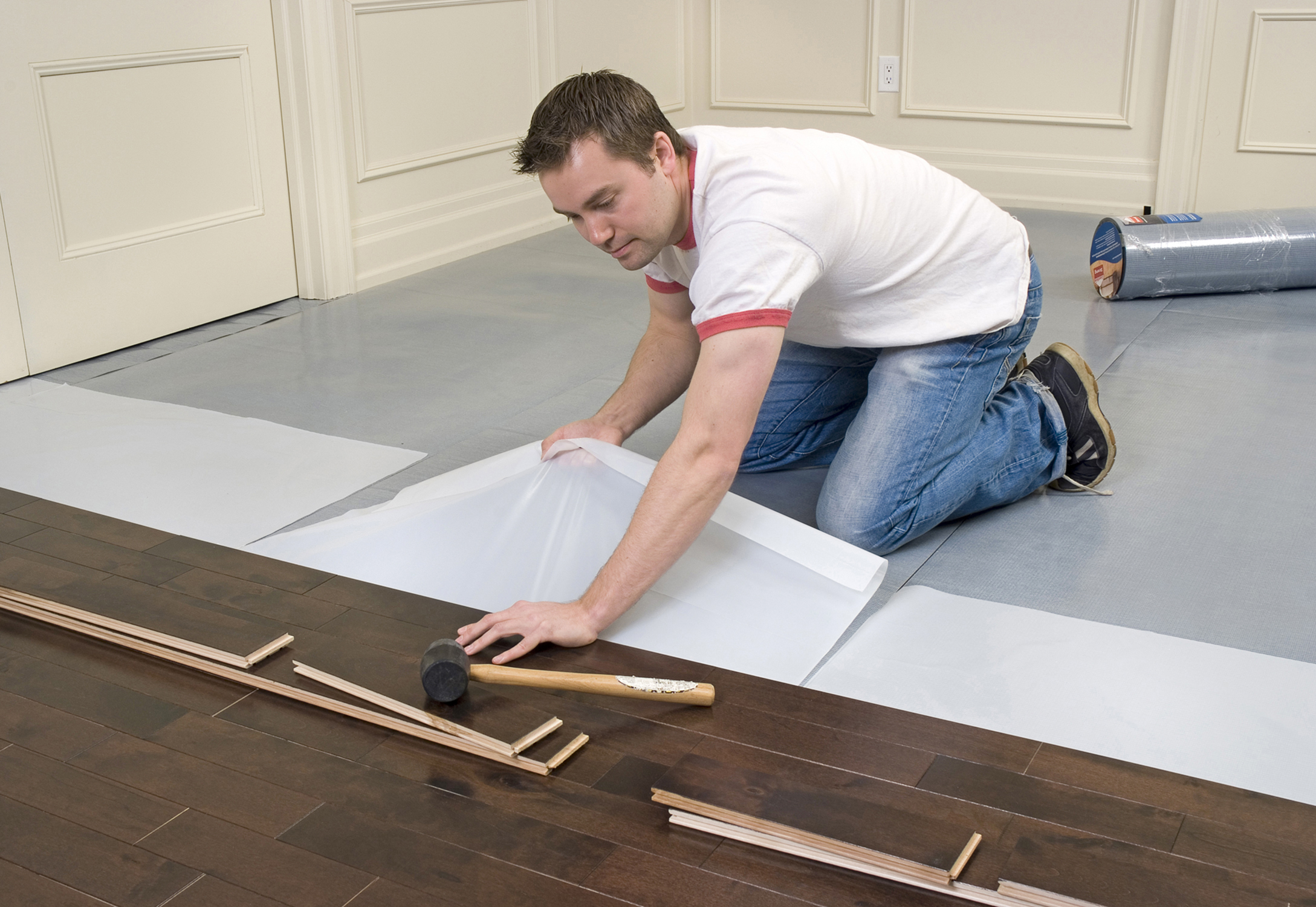
How to Find Licensed Flooring Contractors In Philadelphia
Finding flooring contractors in Philadelphia is a breeze. Find a reputable, insured, licensed proficient one that can be accessible six months following the completion of the project in case anything goes wrong -- this is what takes actually effort. The Philadelphia metro has a wide variety of flooring installation companies established companies with years of local experience independently owned and operated with actual skills, and several unlicensed firms that compete based on the price alone, only to disappear when problems occur. Bucks County, Montgomery County, Delaware County, and South Jersey all have their own local contractor ecosystems with the same level of quality. This is how you can navigate it without learning the hard way.
1. Understand What Licensing Actually Means in Pennsylvania
Pennsylvania will require home renovation contractors, which includes flooring installers to be registered through the Attorney General's Office under the Home Improvement Consumer Protection Act. This is distinct from trade licenses and it's an obligatory legal requirement that is not a guarantee of quality. Any flooring business operating in Philadelphia or nearby counties that is not registered with the registration is working outside of the law, even before they've even stepped foot on your subfloor. You can check the status of registration via the Pennsylvania Attorney General's website before a flooring contractor has a footstep in your home.
2. Insurance is a non-negotiable contract and is easy to Verify
General liability insurance covers your house if a worker is liable for damage caused during installation. Workers' compensation insurance protects you from liability if an employee is injured when working. Both should be current and easily verified. You should ask any flooring business you're thinking of hiring for a certificate of insurance -it's not their word of having it but actually a certificate bearing the insurer's name and policy number. Most reputable flooring companies issue this document frequently and don't delay in requesting it. Contractors who rescind or delay upon this request are telling that you something vital.
3. Local Reviews Tell You More than Star Ratings
A flooring contractor that has an 4.8 Average and 200 positive reviews on Google is a more reliable signal than one with a 5.0 as well as 11 customer reviews. Take a look at the content of reviews rather than just the stars. Look specifically for mentions of how problems were handled -every contractor will have jobs that don't go as planned, and the ones who are worth hiring are the ones who were on time, communicated as well as rectified the issue. Philadelphia flooring reviews that include specific neighborhood, floor types and the results of projects are more trustworthy than generic five-star review. The cross-reference can be made across Google, Yelp, and the BBB for a better picture.
4. Talk to a specialist about experience with Your Floor The type
Flooring isn't just a single trade. Any contractor having put in LVP in more than 500 homes might not have the experience of nail-down solid hard wood, glue-down engineered wooden hardwood over concrete and large-format porcelain tile. If you're seeking estimates for hardwood flooring installation in Philadelphia Ask them directly how many similar jobs they've finished in the last year and if they can get in touch with a reference from recent. Contractors who are confident of their background are more than happy to answer this. The ones who evade the question with generic explanations are worthy of being scrutinized more carefully.
5. The Free Estimate Visit Reveals More Than the Quote
Every reputable flooring specialist in Philadelphia is expected to offer a no-cost estimate that includes visiting your house. How they conduct their visits (how thoroughly they assess the subfloor, whether they inquire about the history of moisture and clearly explain their services -- will tell you a lot more about the professional than the amount they record upon completion. An expert who spends 45 minutes taking a look at your space while asking you questions in depth is performing differently than one who walks in, measures the room, and hands you a number in 10 minutes with no regard to anything below the existing surface.
6. Request three specific quotes before Deciding Anything
Three quotes is the bare minimum for any flooring installation job in Philadelphia that's significant in size. But more important than that total is the actual value of each quote. comprises: subfloor preparation materials removal and disposal, transition strips, baseboards for furniture, moving furniture, and post-installation cleaning. Quotes that offer a single price per square foot, with an additional breakdown do not allow users to examine those items later on, mid-job, or when you have less leverage. Itemized quotes let you compare contractors on the same basis rather than comparing one's all-in costs against another's floor-to-floor price.
7. Neighborhood Reputation Still Holds Real Significance in Philadelphia
The Philadelphia metro area -- including city suburbs, inner-ring suburban areas, and counties stretching out towards Bucks and Delaware is built on relationships in the ways that are still relevant when it comes to trades. If you ask your neighbors, block associations or local Facebook groups whom they've utilized and trusted to install flooring in their home yields results that don't have any search algorithms surfaces. A flooring contractor who has delivered quality work on the block you live in or your township is a person with a local reputation to protect in a manner that a company from across the entire region cannot. This informal referral network is often ignored and very valuable.
8. Look out for the Patterns unlicensed Operators Share
Certain types of behaviors are linked to contractors who are cutting corners in licensing and insurance. Cash-only requirements for payment. Reluctance to give a written contract. Quotes communicated verbally with no need to be in writing. No physical address for the business or phone number. Pressure to decide quickly before the price is changed. Subcontractors showing on install day, but who have never met and that weren't included in the estimate. All of them aren't 100% accurate, but the presence of the presence of two or more will prompt you to re-evaluate your list of thoroughly vetted flooring contractors.
9. Cross-County Searches Expand Your Options Without Sacrificing Quality
Some of the best flooring installers servicing Philadelphia actually reside in Montgomery County, Delaware County as well as South Jersey and work across the metropolitan area often. Restricting your search strictly to Philadelphia-based contractors will limit the options. What's important is their familiarity with Philadelphia's specific housing stock that includes rowhomes as well as older subfloor conditions, typical humidity issues, and not the location of the city line they are on. In the end, a Bucks County flooring contractor with good Philadelphia references is worth calling.
10. A Written Contract Protects Both Parties and Defining the Job
Before you begin any work, you need to sign a contract that details that the flooring material is specified, including the names of the brand and product along with the procedure for installation along with the scope of subfloor preparation, timeline for payments, the timetable, and what to do when hidden problems like subfloor destruction are discovered at the end of the job. Licensed flooring contractors use contracts as a standard practice. The contract should not be seen as a sign that you're not trusting them -- it's the document that keeps the good relationship between them for any issues that arise in the time between the first day for installation, and final walkthrough. Read the best Take a look at the recommended LVP flooring installation Philadelphia for website tips including solid hardwood floor installation Philadelphia, floor installation Bucks County PA, affordable flooring installation Philadelphia, glue down hardwood flooring Philadelphia, subfloor repair Philadelphia, hardwood floor refinishing cost Philadelphia, laminate floor contractors Philadelphia, LVP floor installation cost Philadelphia, flooring installation Philadelphia, laminate flooring installation Philadelphia PA and more.
